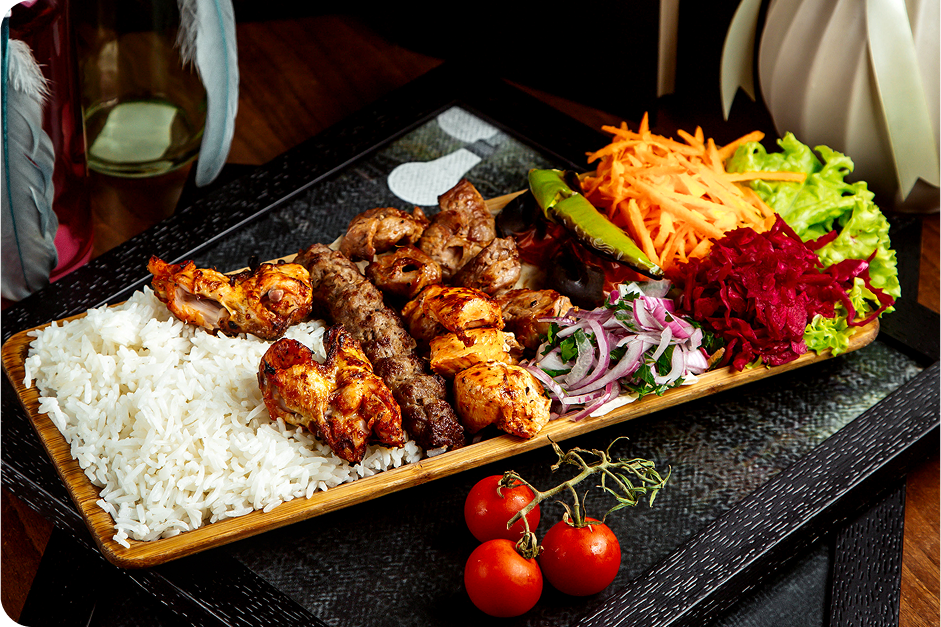
BBQ Chronicles: Unveiling the Art of Southern Barbecue
Foundations of Southern Barbecue
Southern barbecue developed from multiple cultural influences over centuries. Native Americans taught colonists smoking and slow-cooking techniques. Spanish explorers introduced pigs to the Southeast. These elements combined to create regional barbecue traditions.
Early Smoking Methods
Indigenous peoples smoked meats over wooden frames called barbacoa. Colonists adapted these methods using local hardwoods. Pit cooking emerged as the preferred technique for large gatherings. Smoke preservation extended meat shelf life before refrigeration.
Wood Selection & Fire Management
Different woods produce distinct flavors in smoked meats. Hickory provides a strong, bacon-like taste to pork. Oak burns steady and imparts mild flavor. Fruit woods like apples and cherries add subtle sweetness. Fire management determines cooking temperature and smoke production.
Regional Barbecue Styles
Four major barbecue regions dominate the Southern United States. Each region developed preferences for specific meats, sauces, and techniques. These traditions reflect local agriculture, history, and cultural influences.
Carolina Barbecue Traditions
Eastern North Carolina focuses on whole hog cooking with vinegar-based sauce. Western North Carolina prefers pork shoulder with tomato-tinged vinegar sauce. South Carolina adds mustard-based sauce to its barbecue repertoire. Each style reflects German, Scottish, and French colonial influences.
Texas Barbecue Heritage
Texas barbecue emphasizes beef, particularly brisket. German and Czech immigrants influenced Central Texas style. Mexican vaquero traditions shaped South Texas barbacoa. East Texas incorporates more sauce and Southern influences.
Memphis & Kansas City Styles
Memphis specializes in dry-rubbed ribs and pulled pork. Kansas City embraces all meats with thick, sweet sauce. Both cities host major barbecue competitions annually. Restaurant culture drives innovation in these urban barbecue centers.
Meat Selection & Preparation
Proper meat selection determines barbecue success. Different cuts require specific cooking times and temperatures. Preparation techniques vary by region and tradition.
Pork Cuts & Applications
Shoulder provides ideal fat content for pulled pork. Ribs come in spare, baby back, and country styles. Whole hog cooking requires experience and proper equipment. Boston butt and picnic cuts offer different textures.
Beef & Alternative Meats
Brisket requires long cooking to break down tough fibers. Short ribs and beef ribs need careful temperature control. Chicken and turkey adapt well to smoking techniques. Lamb and goat appear in certain regional preparations.
Rubs, Marinades & Sauces
Seasoning distinguishes good barbecue from great barbecue. Dry rubs add flavor before cooking begins. Marinades tenderize and infuse meat with taste. Sauces complement or contrast with meat flavors.
Dry Rub Composition
Salt and sugar form most rub foundations. Paprika provides color and mild pepper flavor. Garlic powder, onion powder, and black pepper appear frequently. Regional variations include coffee, cocoa, and specialty peppers.
Sauce Categories & Applications
Vinegar sauces cut through fatty pork richness. Tomato-based sauces range from tangy to sweet. Mustard sauces offer sharp contrast to smoked meat. White mayonnaise-based sauce originated in Alabama.
Smoking Techniques & Temperature Control
Low and slow cooking defines authentic barbecue. Temperature control determines meat texture and smoke absorption. Modern technology assists traditional techniques.
Direct vs Indirect Heat
Direct grilling differs from true barbecue smoking. Indirect heat cooks meat slowly without burning. Offset smokers keep fire separate from the cooking chamber. Vertical smokers use rising heat and smoke.
Temperature Monitoring & Timing
Internal meat temperature indicates doneness accurately. Ambient temperature affects cooking time significantly. The stall occurs when moisture evaporation plateaus temperature. Wrapping meat helps push through temperature stalls.
Competition Barbecue Culture
Barbecue competitions grew from local cookoffs to international events. Professional teams travel circuits competing for prizes and recognition. Competition standards influence restaurant and backyard barbecue.
Major Competition Circuits
Kansas City Barbeque Society sanctions hundreds of contests annually. Memphis in May hosts the World Championship Barbecue Cooking Contest. Regional competitions maintain local tradition importance. Television coverage increases public interest and participation.
Judging Standards & Categories
Appearance, taste, and tenderness determine scores. Categories include chicken, ribs, pork, and brisket. Ancillary categories showcase sauce, sides, and dessert. Blind judging ensures fairness in scoring.
Modern Barbecue Evolution
Technology and innovation change barbecue methods while respecting tradition. New equipment makes barbecue more accessible to beginners. Social media spreads techniques and recipes instantly. Barbecue culture expands beyond traditional boundaries.
Pellet smokers simplify temperature control for home cooks. Ceramic cookers provide efficiency and versatility. Bluetooth thermometers allow remote monitoring. Restaurant chains spread regional styles nationally. Food trucks make barbecue mobile and accessible. International interest grows in American barbecue techniques. Fusion restaurants combine barbecue with other cuisines. Plant-based alternatives enter barbecue competitions. The future holds endless possibilities for barbecue innovation while tradition remains the foundation.