Exploring the Roots: The Rich History of Soul Food in America
Origins & Early Development
Soul food traces its beginnings to West African culinary traditions. Rice cultivation, okra farming, and one-pot cooking methods traveled across the Atlantic. These practices merged with Native American ingredients and European cooking techniques in the American South.
West African Contributions
West African cooks brought knowledge of rice cultivation from regions like Sierra Leone and Senegal. They introduced okra, black-eyed peas, and yams to American agriculture. Cooking methods included deep frying, stewing, and seasoning with peppers and spices. These traditions formed the foundation of what would become soul food.
Native American Influences
Indigenous peoples contributed corn, beans, and squash to the developing cuisine. They taught preservation techniques like smoking and drying meats. Hominy, grits, and cornbread became staples through Native American corn processing methods. Wild game and freshwater fish added protein variety to meals.
Regional Variations & Adaptations
Soul food developed differently across Southern states. Geographic locations, available ingredients, and local cultures created distinct regional styles. Each area contributed signature dishes and cooking methods to the broader soul food tradition.
Mississippi Delta Style
The Delta region specializes in catfish preparations and hot tamales. Agricultural abundance provided fresh vegetables for daily meals. Farmers developed recipes using seasonal produce from their gardens. Cotton field workers created portable lunch dishes that could withstand heat.
Georgia & Carolina Traditions
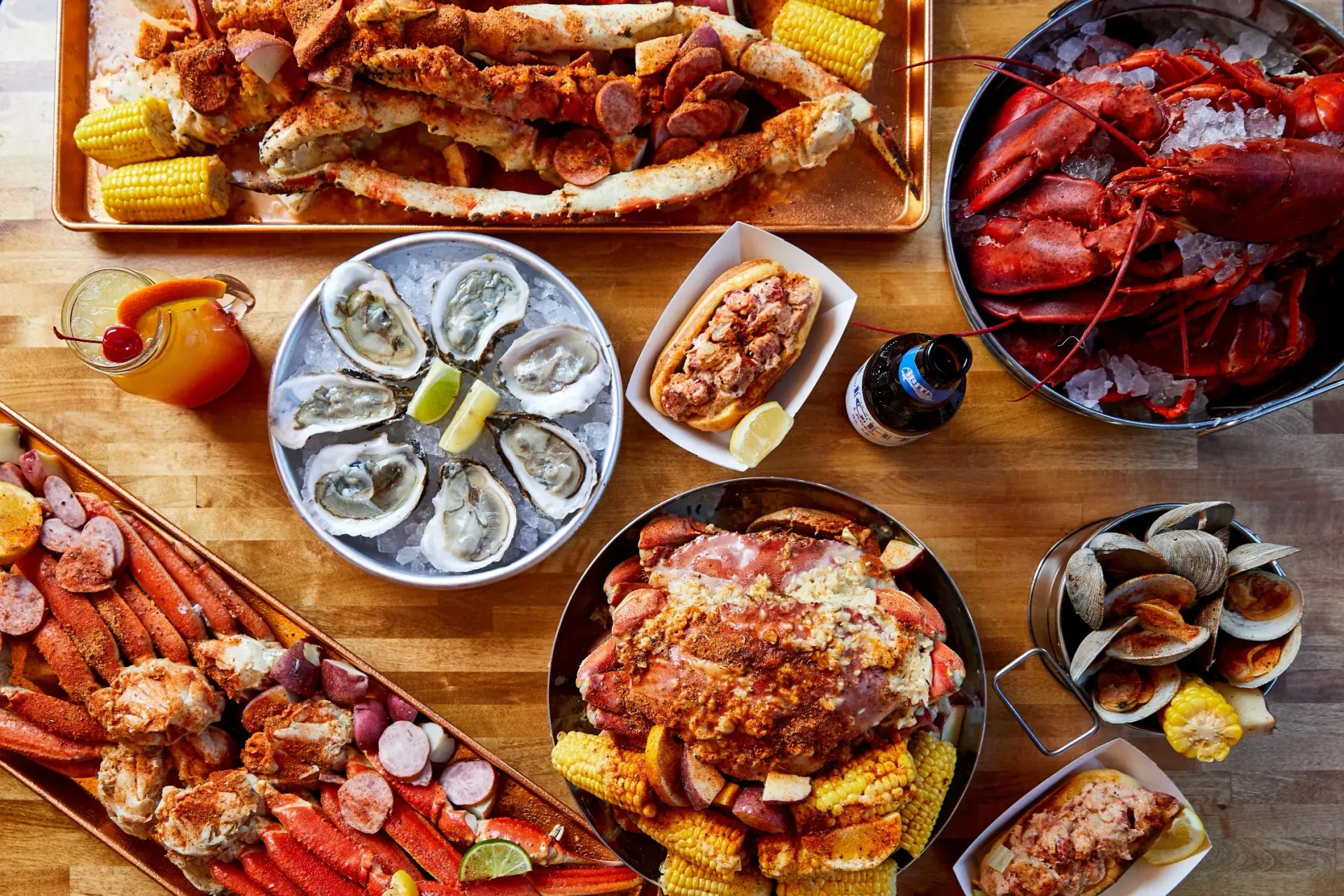
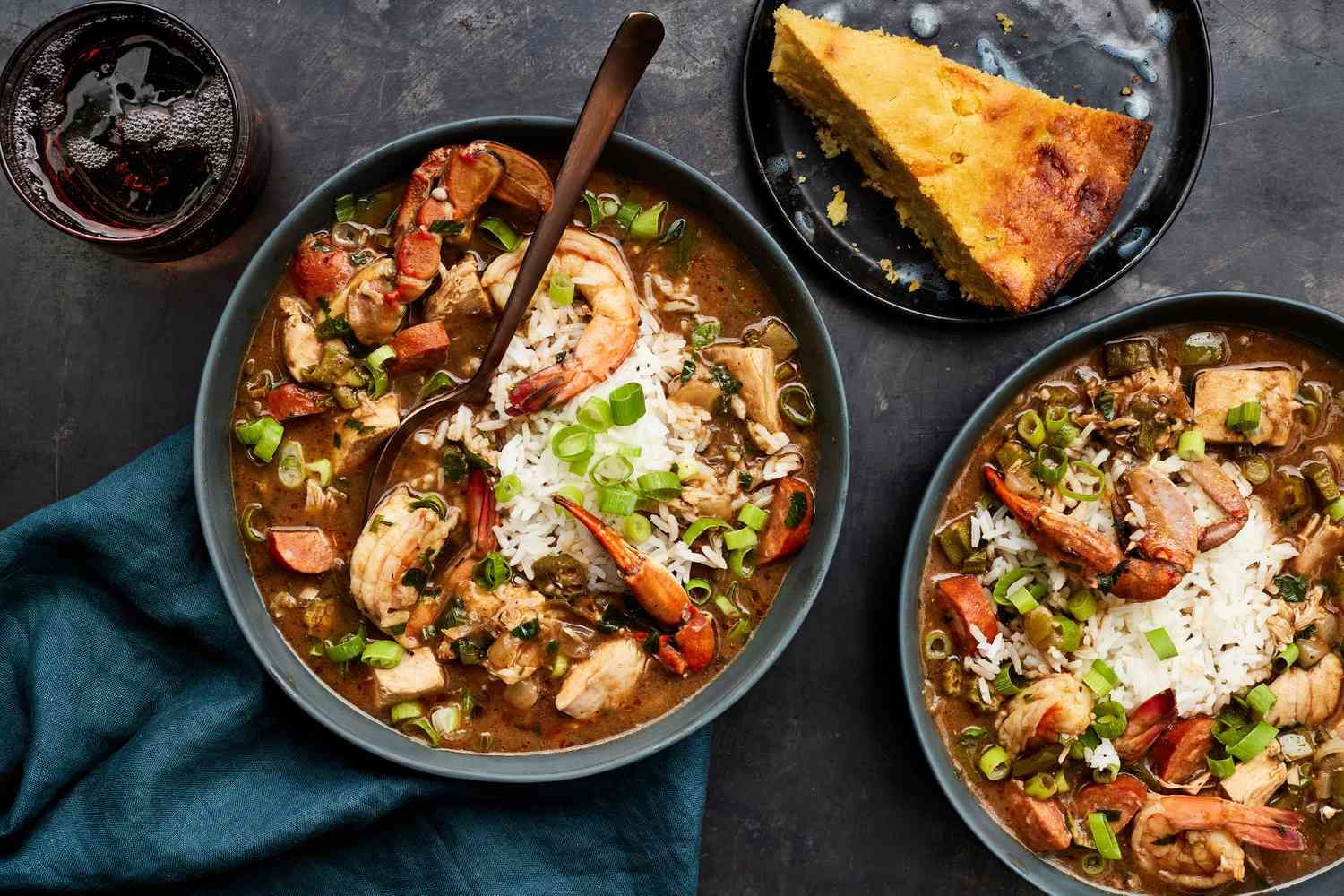
These states contributed rice dishes and seafood preparations. Coastal access provided shrimp, oysters, and crab for special occasions. Inland communities focused on pork preparations and vegetable cultivation. Peach cobbler and sweet potato pie originated in these regions.
Migration & Northern Evolution
The Great Migration moved millions of African Americans northward between 1916 and 1970. Southern cooking traditions traveled to Chicago, Detroit, New York, and other cities. Urban environments required adaptations to traditional recipes and cooking methods.
Urban Adaptations
City dwellers modified recipes for smaller kitchens and limited storage. Restaurants began serving soul food to homesick migrants. Corner stores stocked Southern ingredients for home cooks. Church suppers and social clubs maintained food traditions in new settings.
Restaurant Culture Development
Soul food restaurants became community gathering places in Northern cities. These establishments preserved traditional recipes while adapting to local tastes. Restaurant owners trained new generations in Southern cooking techniques. Many restaurants became landmarks in their neighborhoods.
Modern Soul Food Movement
Contemporary chefs reimagine traditional dishes with updated techniques. Health consciousness influences ingredient choices and preparation methods. Soul food gains recognition as an important American culinary tradition. Cookbooks, television shows, and food festivals celebrate these contributions.
Contemporary Interpretations
Chefs incorporate organic ingredients and lighter cooking methods. Traditional recipes receive updates while maintaining authentic flavors. Vegetarian and vegan versions expand soul food’s reach. Presentation styles reflect modern plating techniques.
Cultural Recognition & Preservation
Museums document soul food history through exhibits and programs. Academic institutions study soul food’s cultural significance. Community organizations teach traditional cooking to younger generations. Food historians research and preserve family recipes.
Essential Dishes & Their Stories
Core soul food dishes carry historical and cultural significance. Each recipe tells a story about resourcefulness, creativity, and community. These dishes remain central to family gatherings and celebrations.
Signature Main Courses
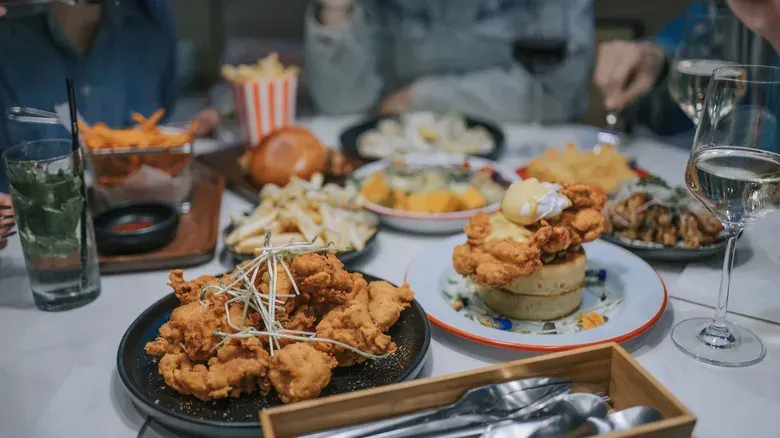
Fried chicken became the most recognized soul food dish worldwide. Catfish preparations vary by region but remain universally popular. Smothered pork chops demonstrate slow-cooking expertise. Oxtails and neck bones show efficient use of all animal parts.
Traditional Sides & Vegetables
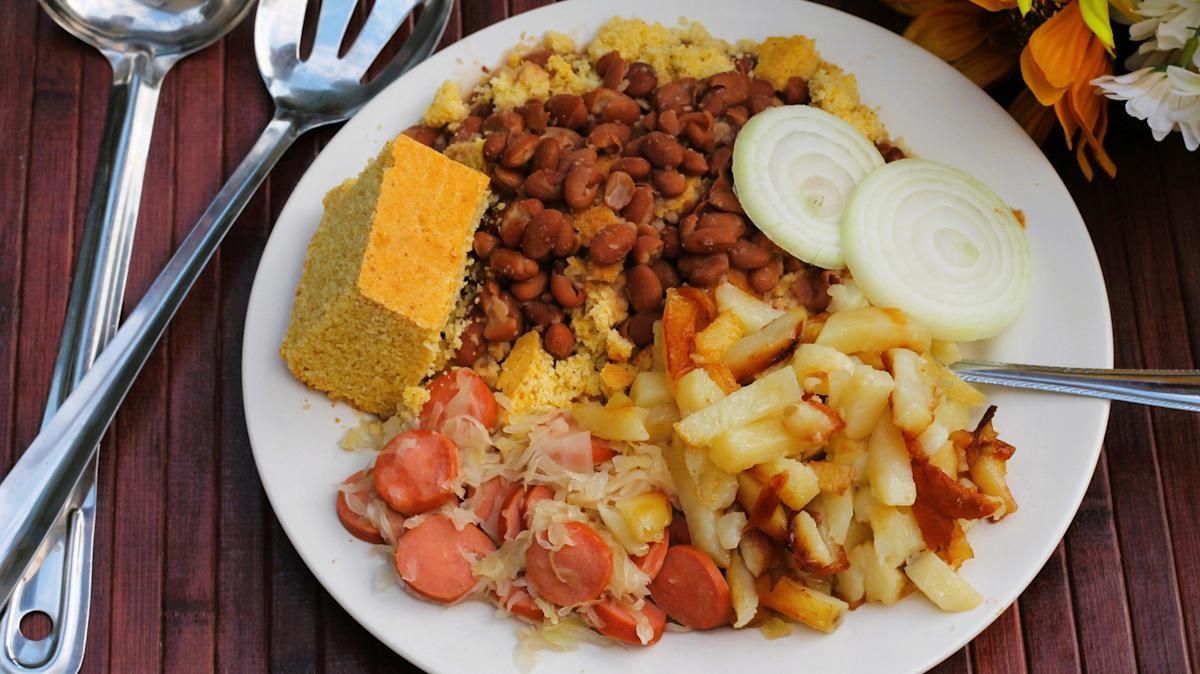
Collard greens, prepared with smoked meat, provide essential nutrients. Mac and cheese evolved from simple ingredients into a beloved staple. Black-eyed peas symbolize good luck and prosperity. Cornbread accompanies nearly every soul food meal.
Desserts & Sweet Treats
Sweet potato pie competes with pumpkin pie at holiday tables. Peach cobbler showcases Southern fruit abundance. Pound cake recipes pass through generations unchanged. Banana pudding closes Sunday dinners and special events.
Soul Food Today & Tomorrow
Soul food continues evolving while honoring its roots. New generations discover traditional recipes through family stories. Technology spreads soul food knowledge globally through digital platforms. The cuisine maintains relevance through constant adaptation and innovation.
Contemporary soul food addresses modern dietary concerns. Restaurants feature locally sourced ingredients and seasonal menus. Food trucks bring soul food to new audiences and neighborhoods. Cooking classes teach traditional techniques to eager students. Social media connects soul food enthusiasts worldwide. The future promises continued growth and recognition for this vital American cuisine.